Air conditioners are essential for comfort in homes, offices, and commercial spaces—especially in regions with extreme heat. However, the cooling performance of an AC system depends heavily on one critical electrical component: the capacitor.
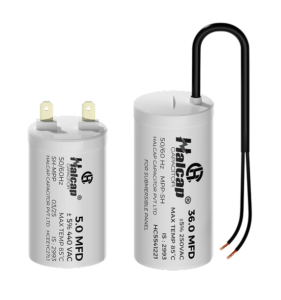
Selecting the correct capacitor ensures smooth compressor operation, stable fan speed, energy efficiency, and long-term reliability. When it comes to trusted performance, Halcap is widely recognized for manufacturing high-quality capacitors designed for demanding AC applications.
In this complete buying guide, you’ll learn how to choose the right Halcap capacitor for air conditioners and why the right selection matters for performance and durability.
Why Capacitors Are Important in Air Conditioners
An air conditioner typically uses two types of capacitors:
-
Start Capacitor – Helps the compressor or fan motor start.
-
Run Capacitor – Keeps the motor running efficiently.
These capacitors support:
✔ Smooth compressor startup
✔ Stable motor torque
✔ Efficient cooling cycles
✔ Reduced humming noise
✔ Lower energy consumption
A faulty or incorrectly selected capacitor can lead to:
-
AC not starting
-
Weak cooling performance
-
Increased electricity bills
-
Overheating compressor
-
Frequent breakdowns
That’s why proper capacitor selection is critical.
Step-by-Step Guide to Choosing the Right Halcap Capacitor for AC
1️⃣ Check the Capacitance Value
The first and most important factor is the microfarad (µF) rating.
Every air conditioner has a specific capacitance requirement mentioned on:
-
The old capacitor label
-
AC unit nameplate
-
Manufacturer manual
⚠ Always match the exact µF rating.
Using a lower value may reduce performance, while a higher value can damage the compressor.
Halcap capacitors provide precise and stable capacitance values for consistent AC performance.
2️⃣ Verify the Voltage Rating
The voltage rating must be equal to or higher than the original capacitor.
Common AC capacitor voltage ratings include:
-
370V
-
440V
Choosing a higher voltage rating (like 440V instead of 370V) offers:
✔ Better durability
✔ Increased safety margin
✔ Improved tolerance against voltage fluctuations
Halcap capacitors are engineered to handle unstable voltage conditions effectively.
3️⃣ Identify Single or Dual Run Capacitor
Air conditioners may use:
-
Single run capacitor – For compressor or fan
-
Dual run capacitor – For both compressor and fan in one unit
Check whether your AC requires:
-
C (Common)
-
FAN
-
HERM (Compressor)
Selecting the correct configuration ensures smooth and balanced operation.
4️⃣ Consider Temperature Rating
Air conditioners operate in high-heat environments, especially outdoor condenser units.
Look for capacitors designed for:
✔ High ambient temperatures
✔ Continuous-duty operation
✔ Moisture resistance
Halcap capacitors are built to perform reliably under extreme summer conditions.
5️⃣ Evaluate Build Quality & Material
High-quality capacitors use premium dielectric film and strong casing materials.
Halcap capacitors offer:
✔ High insulation resistance
✔ Low loss factor
✔ Flame-retardant casing
✔ Moisture-resistant design
✔ Long operational life
Build quality directly affects compressor lifespan.
Why Choose Halcap Capacitor for Air Conditioners?
🔹 Reliable Compressor Performance
A quality capacitor ensures:
-
Quick compressor startup
-
Smooth cooling cycles
-
Stable RPM maintenance
-
Reduced strain on motor windings
This improves cooling efficiency and prevents overheating.
🔹 Energy Efficiency Optimization
A properly selected Halcap capacitor:
✔ Improves power factor
✔ Reduces energy losses
✔ Enhances AC efficiency
✔ Lowers electricity bills
Efficient capacitor performance means better cooling with less power consumption.
🔹 Protection Against Voltage Fluctuations
In many regions, unstable voltage can damage AC components.
Halcap capacitors are designed to:
✔ Withstand voltage variations
✔ Maintain stable capacitance
✔ Protect compressor motors
This enhances AC durability and reduces repair costs.
Common Signs You Need to Replace Your AC Capacitor
If you notice:
-
AC not starting immediately
-
Clicking or humming sound
-
Weak airflow
-
Compressor shutting off quickly
-
Higher electricity bills
-
Warm air instead of cool air
It may indicate a failing capacitor. Replacing it with a high-quality Halcap capacitor restores optimal performance.
Comparing Halcap with Generic AC Capacitors
| Feature | Halcap Capacitor | Generic Capacitors |
|---|---|---|
| Capacitance Stability | High | Inconsistent |
| Temperature Tolerance | Excellent | Moderate |
| Lifespan | Long-lasting | Shorter |
| Voltage Handling | Strong | Basic |
| Energy Efficiency | Optimized | Limited |
Choosing quality over cheap alternatives ensures long-term savings.
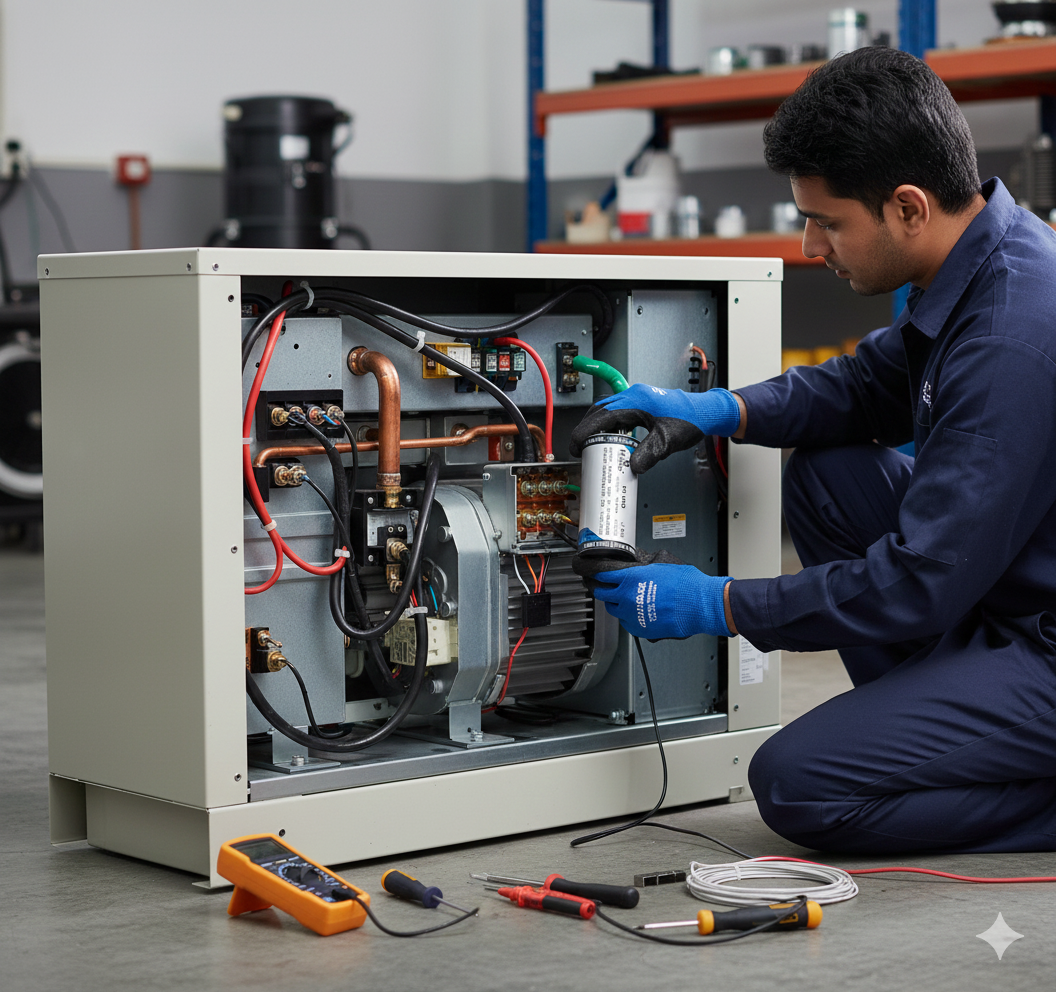
Installation & Safety Tips
-
Always disconnect power before replacement
-
Match exact µF rating
-
Use equal or higher voltage rating
-
Ensure proper terminal connections
-
Consult a professional technician if unsure
Proper installation is essential for safety and performance.
Benefits of Choosing the Right Halcap Capacitor
✔ Faster cooling performance
✔ Reduced compressor stress
✔ Lower maintenance costs
✔ Longer AC lifespan
✔ Improved energy efficiency
✔ Stable and quiet operation
A small component makes a big difference in overall AC performance.
Final Thoughts
Selecting the right capacitor is essential for maintaining air conditioner efficiency, durability, and cooling performance. The correct µF rating, voltage specification, and build quality determine how well your AC operates under daily stress.
With premium materials, voltage stability, and long operational life, Halcap Capacitor provides a dependable solution for air conditioner applications.
Whether you are a homeowner, HVAC technician, distributor, or OEM manufacturer, choosing the right Halcap capacitor ensures consistent cooling and long-term reliability.